


Bartels Mikrotechnik
Driver de pompe mp-LowdriverCentre d'applications
Connecteurs et tube
Choisissez les raccords et accessoires tube adaptés à vos fluides, pressions et configuration : comparaisons de matériaux, compatibilité chimique et guides d'installation.
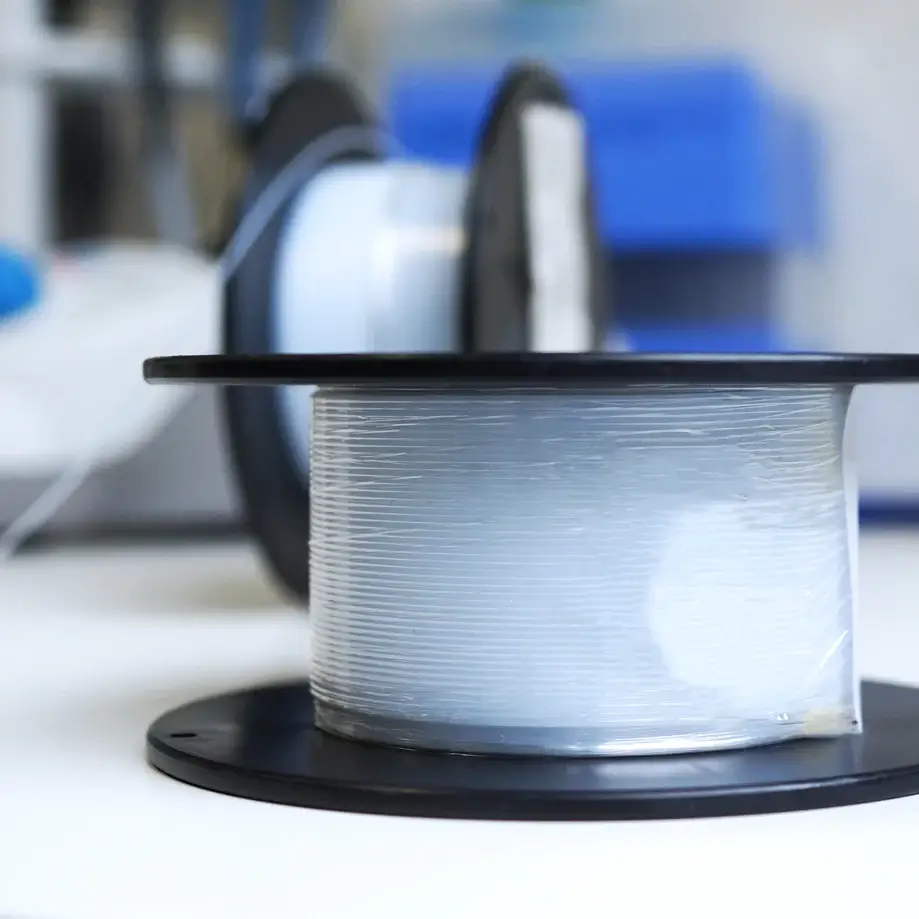
Commencez icitube s des fluoropolymères en microfluidique : petit guideCompte tenu du grand nombre de matériaux utilisés, il est facile de s'y perdre. Dans ce guide, nous comparons les différents types de fluoropolymères disponibles.CMParColin MarquetLire le guideVotre expert en connecteurs et en « tube »
CMColin MarquetAuteur de nos guides sur les connecteurs et l'tube
Vous avez une question concernant votre configuration ? Posez-la à l'auteur de ces guides.
Poser une questionSuivez le chemin
Des bases à la mise en place d'un système opérationnel : chaque étape dispose de son guide.
- 1Choisissez le tubetube s en fluoropolymères pour la microfluidique : petit guidePTFE PFA s : comment choisir l' qui convient ? tube
- 2Comparer les matériauxPTFE ETFE: comment choisir le bon matériau ?ETFE FEP: comment choisir le bon matériau ?
- 3Choisir les raccordsDelrin ou PEEK: comment choisir le bon matériau ?PP (polypropylène) ou nylon : comment choisir le bon matériau ?
- 4Vérifier la compatibilitéTygon tube tableau comparatif de compatibilité chimique
- 5Installation et maintenancetube Comment installer correctement un support sur une tête de pompe péristaltique ?Comment prolonger la durée de vie de votre pompe péristaltique tube ?
Guides et tutoriels
Protocoles détaillés pour votre salle blanche ou votre paillasse de laboratoire.
GuideComment prolonger la durée de vie de votre pompe péristaltique tube ?Découvrez les facteurs clés qui influent sur la durée de vie de pompe péristaltique tube , des conditions d'utilisation aux propriétés des matériaux en passant par la configuration du système.GuideComment installer correctement support un tube sur une tête pompe péristaltique ?tube Découvrez comment installer correctement votre support sur une tête pompe péristaltique , afin de garantir des performances optimales et d’éviter les problèmes courants.GuideComment relier facilement un tube péristaltique à un microfluidique rigide ?Lorsque vous utilisez une pompe péristaltique, vous pouvez rencontrer des difficultés pour connecter une flexible tube . Découvrez comment…GuideComment connecter votre tube à une puce microfluidique ChipShop puce?L’un des problèmes posés par ces puces microfluidiques est l’absence de connexion directe aux tube rigides. Nous allons voir comment y remédier…GuideComment connecter facilement votre tube à une pousse-seringue ?Toute seringue standard dispose d’ Luer ou d’une Luer Lock raccord, ce qui facilite son interfacement avec n’importe quel type d’ tube!
Outils et graphiques
Calculatrices, convertisseurs et tableaux de compatibilité.
ToolMaterial and Chemical Compatibility DatabaseExplore chemical and material compatibility in microfluidics. Check resistance, compare options, and find the right materials for your setup.ToolPU (Polyurethane) – Chemical Compatibility ChartExplore the Polyurethane chemical compatibility chart to assess material resistance and ensure reliable performance in various applications.ToolSAN (Styrene-Acrylonitrile) – Chemical Compatibility ChartExplore the SAN (Styrene-Acrylonitrile) chemical compatibility chart to assess material resistance and ensure safety in various applications.ToolVersilon 2001 – Chemical Compatibility ChartCheck the Versilon 2001 chemical compatibility chart to evaluate material compatibility and ensure safety in your applications.ToolSolva – Chemical Resistance ChartDiscover the Solva chemical resistance chart to ensure safe and effective use of materials in various applications.ToolFKM (Fluorine Kautschuk Material) – Chemical Compatibility ChartExplore the FKM chemical compatibility chart to understand the resistance of fluorine rubber to various chemicals.ToolViton® – Chemical Compatibility ChartExplore the Viton® Chemical Compatibility Chart to learn how this material interacts with various chemicals.ToolPPS (Polyphenylene Sulfide) – Chemical Compatibility ChartExplore the PPS Chemical Compatibility Chart to find out how this material interacts with various chemicals and environments.ToolUHMWPE – Chemical Compatibility ChartExplore our UHMWPE chemical compatibility chart to ensure optimal performance and safety in your applications.ToolPharmaPure® – Chemical Compatibility ChartDiscover PharmaPure’s chemical compatibility—a quick, reliable guide to its resistance with various chemicals and applications.ToolNorprene – Chemical Compatibility ChartExplore Norprene’s chemical compatibility—a quick, reliable guide to its resistance against a variety of chemicals and applications.ToolAluminum – Chemical Resistance ChartDiscover the chemical resistance of aluminum with our comprehensive chart, ensuring safe and effective use in various applications.ToolNylon – Chemical Compatibility ChartExplore Nylon's chemical compatibility with various substances. Find out its resistance and ideal applications in our detailed chart.ToolChem-Durance® Bio – Chemical Compatibility ChartExplore the Chem-Durance® Bio chemical compatibility chart to ensure safe and reliable performance in demanding chemical applications.ToolFFKM (Perfluoroelastomer) – Chemical Resistance ChartExplore the FFKM chemical resistance chart for safe, reliable performance in different chemical environments and applications.ToolEPDM – Chemical Resistance ChartExplore the EPDM (Ethylene Propylene Diene Monomer) chemical resistance chart to ensure compatibility in various chemical environments.ToolC-FLEX® – Chemical Compatibility ChartDiscover the C-FLEX® chemical compatibility chart to ensure reliable performance in various chemical and biopharmaceutical applications.ToolPuri-Flex™ – Chemical Compatibility ChartExplore the Puri-Flex™ chemical compatibility chart to find reliable, durable tubing solutions for various chemical environments.ToolPCTFE (Polychlorotrifluoroethylene) – Chemical Resistance ChartExplore the PCTFE chemical resistance chart, detailing its durability against various chemical substances for different applications.ToolPPSU (Polyphenylsulfone) – Chemical Compatibility ChartDiscover the PPSU chemical compatibility chart used for BP7 micropumps, ensuring optimal performance and safety in your applications.ToolPFA (Perfluoroalkoxy) – Chemical Resistance ChartExplore the chemical compatibility of PFA (Perfluoroalkoxy) with various substances in our detailed chart for safe material selection.ToolPVC (Polyvinyl Chloride) – Chemical Resistance ChartExplore the chemical compatibility of PVC with various substances in our detailed chart for safe material selection.ToolFEP (Fluorinated Ethylene Propylene) – Chemical Resistance ChartExplore the chemical resistance of FEP with various substances in our detailed chart for safe material selection.ToolPP (Polypropylene) – Chemical Resistance ChartExplore the chemical resistance of Polypropylene with various substances in our detailed chart for safe material selection.ToolStainless Steel – Chemical Compatibility ChartExplore our comprehensive chemical compatibility chart for stainless steel to ensure reliability and performance in your applications.ToolDelrin (polyoxymethylene) – Chemical Compatibility ChartExplore Delrin's chemical compatibility with various substances using our comprehensive chart for optimal material selection and performance.ToolTefzel ETFE (Ethylene TetraFluoroEthylene) – Chemical Compatibility ChartExplore the chemical compatibility of Tefzel ETFE with various substances. Detailed guide for safe and efficient material use.ToolPharMed BPT – Chemical Compatibility ChartExplore the chemical compatibility of PharMed BPT tubing, ensuring safe and reliable performance in your applications.ToolTygon LMT-55 – Chemical Compatibility ChartDiscover the chemical compatibility of Tygon LMT-55 tubing. Explore a detailed chart to ensure safe and effective use in your…ToolTygon XL-60 – Chemical Compatibility ChartExplore the Tygon XL-60 Chemical Compatibility Chart: Ensure optimal performance with detailed info for various acids, bases, and more.ToolTygon 2375 – Chemical Compatibility ChartExplore Tygon 2375’s chemical resistance in our guide. Perfect for safe transfer of acids, bases, ketones, salts, and alcohols.ToolTygon E-LFL – Chemical Compatibility ChartDiscover the chemical compatibility of Tygon E-LFL tubing. Ideal for lab and pharma use, it ensures safety and durability of…ToolTygon S3™ E-Lab (E-3603) – Chemical Compatibility ChartExplore the Tygon E-Lab chemical compatibility chart to ensure optimal performance and safety in your applications.ToolSilicone – Chemical Compatibility ChartDiscover the chemical compatibility of silicone tubing with our handy table. Maintain safety and efficiency in your applications.ToolPTFE (Polytetrafluoroethylene) – Chemical Compatibility ChartDiscover the chemical compatibility of PTFE tubing with our handy table. Maintain safety and efficiency in your applications with this…ToolPEEK (Polyetheretherketone) – Chemical Compatibility ChartDiscover the chemical compatibility of PEEK tubing with our handy table. Maintain safety and efficiency in your applications with this…ToolDecimal to Imperial Fraction Conversion ToolThis convenient tool provides an easy solution for those who need to make conversions from metric or imperial values into…ToolImperial to Metric Conversion ToolAccurate measurement is crucial for working with microfluidic systems, and converting between metric and imperial units, like mm to inches,…ToolTygon Tubing Hardness TableIn the below table, we have listed the hardness of the most common Tygon formulations.ToolTygon tubing chemical compatibility comparison chartThis table should be used to determine the best Tygon formulation according to the chemicals used in your experiment.ToolHardness Shore A vs. Shore DShore durometers are used to determine the hardness of a material, for example, polymers or rubbers. The two most common…ToolSyringe Needle Gauge TableFind below the complete table of the inner and outer diameters of hypodermic needle gauges. Use it to determine the…
Comparatifs et guides d'achat
Faites votre choix parmi les matériaux, les pompes et les puces.
ComparaisonPTFE ETFE: comment choisir le bon matériau ?Comparez l'PTFE et l'ETFE pour la microfluidique. Découvrez les différences en termes de résistance chimique, de solidité et de coût, et choisissez le matériau adapté.ComparaisonETFE FEP: comment choisir le bon matériau ?Découvrez les principales différences entre ETFE et FEP. Découvrez quel fluoropolymère offre la meilleure durabilité, flexibilité et résistance chimique.ComparaisonDelrin vs PEEK: comment choisir le bon matériau ?Delrin vs PEEK: Comparez les propriétés, les performances et les applications pour choisir le matériau adapté à la microfluidique et aux composants industriels.ComparaisonPP (polypropylène) vs nylon : comment choisir le bon matériau ?PP vs Nylon : comparez les propriétés, les applications et les conseils pour choisir le bon matériau pour la microfluidique et d'autres systèmes de traitement de l'fluide ComparaisonPTFE vs PFA: comment choisir le bon tube?Découvrez les principales différences entre l'PTFE et le PFA tube dans notre guide complet. Apprenez à choisir le bon matériau…ComparaisonMicrofluidique : comment choisir les bons raccords et connecteurs ?Lorsque vous vous lancez dans la microfluidique, vous risquez d’être dérouté par le nombre de types de raccordements disponibles pour vos puce, vos…
Connecteurs et matériel d'tube
Les supports utilisés dans ces guides sont disponibles à la commande.

!


