












Bartels Mikrotechnik
mp-Lowdriver Pump driveAnwendungs-Hub
Anschlüsse & Schläuche
Wählen Sie die passenden „ Schläuche “ und Armaturen für Ihre Medien, Drücke und Anlagenkonfiguration aus: Materialvergleiche, chemische Verträglichkeit und Montageanleitungen.
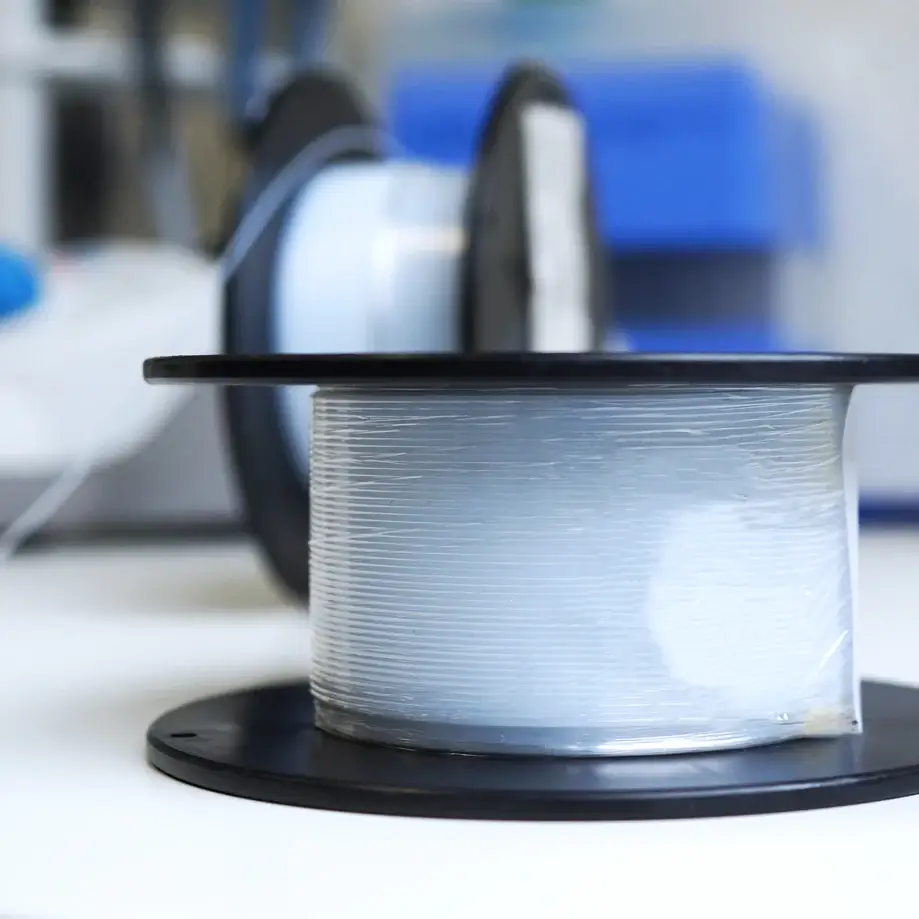
Hier beginnenSchläuche en zu Fluorpolymeren in der Mikrofluidik: Ein kurzer LeitfadenAngesichts der großen Vielfalt an verwendeten Materialien verliert man leicht den Überblick. In diesem Leitfaden vergleichen wir die verschiedenen verfügbaren Arten von Fluorpolymeren.CM VonColin MarquetLeitfaden lesenIhr Experte für Steckverbinder und „ Schläuche “
CMColin MarquetAutor unserer Leitfäden zu Steckverbindern und „ Schläuche “
Haben Sie eine Frage zu Ihrer Konfiguration? Wenden Sie sich an den Verfasser dieser Anleitungen.
Eine Frage stellenFolgen Sie dem Weg
Von den Grundlagen bis zur funktionsfähigen Konfiguration: Für jeden Schritt gibt es eine Anleitung.
- 1Wählen Sie das SchläucheFluorpolymer- Schläuche s in der Mikrofluidik: Ein kurzer LeitfadenPTFE vs. PFA: Wie wählt man das richtige Material aus? Schläuche?
- 2MaterialvergleichPTFE vs. ETFE: Wie wählt man das richtige Material aus?ETFE vs. FEP: Wie wählt man das richtige Material aus?
- 3Wählen Sie die passenden FittingsDelrin vs. PEEK: Wie wählt man das richtige Material aus?PP (Polypropylen) vs. Nylon: Wie wählt man das richtige Material aus?
- 4Kompatibilität prüfenTygon- Schläuche -Vergleichstabelle zur chemischen Verträglichkeit
- 5Einbau und WartungWie montiert man einen „ Schläuche “ richtig auf einem „ Schlauchpumpe “-Kopf?Wie verlängern Sie die Lebensdauer Ihres „ Schlauchpumpe “ an einem „Schläuche “?
Anleitungen & Tutorials
Schritt-für-Schritt-Anleitungen für Ihren Reinraum oder Ihren Labortisch.
AnleitungSo verlängern Sie die Lebensdauer Ihres Schlauchpumpe Schläuche ?Erfahren Sie, welche entscheidenden Faktoren die Lebensdauer von Schlauchpumpe Schläuche beeinflussen – von den Betriebsbedingungen über die Materialeigenschaften bis hin zur Systemkonfiguration.LeitfadenWie montiert man einen „ Schläuche “ korrekt auf einem „ Schlauchpumpe “-Kopf?Erfahren Sie, wie Sie Ihren „ Schläuche “ korrekt an einem „ Schlauchpumpe “-Kopf montieren, um eine optimale Leistung zu gewährleisten und häufige Probleme zu vermeiden.AnleitungWie lassen sich peristaltische und starre mikrofluidische „ Schläuche “ einfach miteinander verbinden?Bei der Verwendung eines Schlauchpumpe s können Probleme beim Anschluss eines weichwandig -Schläuche s auftreten. Erfahren Sie, wie Sie vorgehen müssen…AnleitungSo schließen Sie Ihren Schläuche an einen ChipShop-Mikrofluidik- Chip an?Ein Problem bei diesen Mikrofluidik-Chips ist das Fehlen einer einfachen Verbindung zu starren „ Schläuche “. Wir zeigen Ihnen eine Lösung für…AnleitungWie lässt sich Ihr „ Schläuche “ einfach an einen „ Spritzenpumpe “ anschließen?Jede Standardspritze verfügt über eine Luer - oder Luer Lock Anschluss, wodurch sich die Verbindung mit jeder Art von Schläuche problemlos herstellen lässt!
Tools & Diagramme
Rechner, Umrechner und Kompatibilitätsübersichten.
ToolMaterial and Chemical Compatibility DatabaseExplore chemical and material compatibility in microfluidics. Check resistance, compare options, and find the right materials for your setup.ToolPU (Polyurethane) – Chemical Compatibility ChartExplore the Polyurethane chemical compatibility chart to assess material resistance and ensure reliable performance in various applications.ToolSAN (Styrene-Acrylonitrile) – Chemical Compatibility ChartExplore the SAN (Styrene-Acrylonitrile) chemical compatibility chart to assess material resistance and ensure safety in various applications.ToolVersilon 2001 – Chemical Compatibility ChartCheck the Versilon 2001 chemical compatibility chart to evaluate material compatibility and ensure safety in your applications.ToolSolva – Chemical Resistance ChartDiscover the Solva chemical resistance chart to ensure safe and effective use of materials in various applications.ToolFKM (Fluorine Kautschuk Material) – Chemical Compatibility ChartExplore the FKM chemical compatibility chart to understand the resistance of fluorine rubber to various chemicals.ToolViton® – Chemical Compatibility ChartExplore the Viton® Chemical Compatibility Chart to learn how this material interacts with various chemicals.ToolPPS (Polyphenylene Sulfide) – Chemical Compatibility ChartExplore the PPS Chemical Compatibility Chart to find out how this material interacts with various chemicals and environments.ToolUHMWPE – Chemical Compatibility ChartExplore our UHMWPE chemical compatibility chart to ensure optimal performance and safety in your applications.ToolPharmaPure® – Chemical Compatibility ChartDiscover PharmaPure’s chemical compatibility—a quick, reliable guide to its resistance with various chemicals and applications.ToolNorprene – Chemical Compatibility ChartExplore Norprene’s chemical compatibility—a quick, reliable guide to its resistance against a variety of chemicals and applications.ToolAluminum – Chemical Resistance ChartDiscover the chemical resistance of aluminum with our comprehensive chart, ensuring safe and effective use in various applications.ToolNylon – Chemical Compatibility ChartExplore Nylon's chemical compatibility with various substances. Find out its resistance and ideal applications in our detailed chart.ToolChem-Durance® Bio – Chemical Compatibility ChartExplore the Chem-Durance® Bio chemical compatibility chart to ensure safe and reliable performance in demanding chemical applications.ToolFFKM (Perfluoroelastomer) – Chemical Resistance ChartExplore the FFKM chemical resistance chart for safe, reliable performance in different chemical environments and applications.ToolEPDM – Chemical Resistance ChartExplore the EPDM (Ethylene Propylene Diene Monomer) chemical resistance chart to ensure compatibility in various chemical environments.ToolC-FLEX® – Chemical Compatibility ChartDiscover the C-FLEX® chemical compatibility chart to ensure reliable performance in various chemical and biopharmaceutical applications.ToolPuri-Flex™ – Chemical Compatibility ChartExplore the Puri-Flex™ chemical compatibility chart to find reliable, durable tubing solutions for various chemical environments.ToolPCTFE (Polychlorotrifluoroethylene) – Chemical Resistance ChartExplore the PCTFE chemical resistance chart, detailing its durability against various chemical substances for different applications.ToolPPSU (Polyphenylsulfone) – Chemical Compatibility ChartDiscover the PPSU chemical compatibility chart used for BP7 micropumps, ensuring optimal performance and safety in your applications.ToolPFA (Perfluoroalkoxy) – Chemical Resistance ChartExplore the chemical compatibility of PFA (Perfluoroalkoxy) with various substances in our detailed chart for safe material selection.ToolPVC (Polyvinyl Chloride) – Chemical Resistance ChartExplore the chemical compatibility of PVC with various substances in our detailed chart for safe material selection.ToolFEP (Fluorinated Ethylene Propylene) – Chemical Resistance ChartExplore the chemical resistance of FEP with various substances in our detailed chart for safe material selection.ToolPP (Polypropylene) – Chemical Resistance ChartExplore the chemical resistance of Polypropylene with various substances in our detailed chart for safe material selection.ToolStainless Steel – Chemical Compatibility ChartExplore our comprehensive chemical compatibility chart for stainless steel to ensure reliability and performance in your applications.ToolDelrin (polyoxymethylene) – Chemical Compatibility ChartExplore Delrin's chemical compatibility with various substances using our comprehensive chart for optimal material selection and performance.ToolTefzel ETFE (Ethylene TetraFluoroEthylene) – Chemical Compatibility ChartExplore the chemical compatibility of Tefzel ETFE with various substances. Detailed guide for safe and efficient material use.ToolPharMed BPT – Chemical Compatibility ChartExplore the chemical compatibility of PharMed BPT tubing, ensuring safe and reliable performance in your applications.ToolTygon LMT-55 – Chemical Compatibility ChartDiscover the chemical compatibility of Tygon LMT-55 tubing. Explore a detailed chart to ensure safe and effective use in your…ToolTygon XL-60 – Chemical Compatibility ChartExplore the Tygon XL-60 Chemical Compatibility Chart: Ensure optimal performance with detailed info for various acids, bases, and more.ToolTygon 2375 – Chemical Compatibility ChartExplore Tygon 2375’s chemical resistance in our guide. Perfect for safe transfer of acids, bases, ketones, salts, and alcohols.ToolTygon E-LFL – Chemical Compatibility ChartDiscover the chemical compatibility of Tygon E-LFL tubing. Ideal for lab and pharma use, it ensures safety and durability of…ToolTygon S3™ E-Lab (E-3603) – Chemical Compatibility ChartExplore the Tygon E-Lab chemical compatibility chart to ensure optimal performance and safety in your applications.ToolSilicone – Chemical Compatibility ChartDiscover the chemical compatibility of silicone tubing with our handy table. Maintain safety and efficiency in your applications.ToolPTFE (Polytetrafluoroethylene) – Chemical Compatibility ChartDiscover the chemical compatibility of PTFE tubing with our handy table. Maintain safety and efficiency in your applications with this…ToolPEEK (Polyetheretherketone) – Chemical Compatibility ChartDiscover the chemical compatibility of PEEK tubing with our handy table. Maintain safety and efficiency in your applications with this…ToolDecimal to Imperial Fraction Conversion ToolThis convenient tool provides an easy solution for those who need to make conversions from metric or imperial values into…ToolImperial to Metric Conversion ToolAccurate measurement is crucial for working with microfluidic systems, and converting between metric and imperial units, like mm to inches,…ToolTygon Tubing Hardness TableIn the below table, we have listed the hardness of the most common Tygon formulations.ToolTygon tubing chemical compatibility comparison chartThis table should be used to determine the best Tygon formulation according to the chemicals used in your experiment.ToolHardness Shore A vs. Shore DShore durometers are used to determine the hardness of a material, for example, polymers or rubbers. The two most common…ToolSyringe Needle Gauge TableFind below the complete table of the inner and outer diameters of hypodermic needle gauges. Use it to determine the…
Vergleiche & Kaufratgeber
Wählen Sie zwischen Materialien, Pumpen und Chips.
VergleichPTFE im Vergleich zu ETFE: Wie wählt man das richtige Material aus?Vergleichen Sie „ PTFE “ mit ETFE für die Mikrofluidik. Erfahren Sie mehr über die Unterschiede hinsichtlich chemischer Beständigkeit, Festigkeit und Kosten, und wählen Sie das richtige Material aus.VergleichETFE vs. FEP: Wie wählt man das richtige Material aus?Entdecken Sie die wichtigsten Unterschiede zwischen ETFE und FEP. Erfahren Sie, welches Fluorpolymer eine bessere Haltbarkeit, Flexibilität und chemische Beständigkeit bietet.VergleichDelrin vs. PEEK: Wie wählt man das richtige Material aus?Delrin vs. PEEK: Vergleichen Sie Eigenschaften, Leistungsmerkmale und Anwendungsbereiche, um das richtige Material für Mikrofluidik und Industriekomponenten auszuwählen.VergleichPP (Polypropylen) vs. Nylon: Wie wählt man das richtige Material aus?PP vs. Nylon: Vergleichen Sie Eigenschaften, Anwendungsbereiche und Tipps, um das richtige Material für die Mikrofluidik und andere Systeme zur Handhabung von „ Flüssigkeit “ auszuwählenVergleichPTFE vs. PFA: Wie wählt man das richtige Material für die „ Schläuche “ aus?Entdecken Sie in unserem umfassenden Leitfaden die wichtigsten Unterschiede zwischen „ PTFE “ und PFA- Schläuche . Erfahren Sie, wie Sie das richtige Material auswählen…VergleichMikrofluidik: Wie wählt man die richtigen Fittings und Anschlüsse aus?Wenn Sie mit der Mikrofluidik beginnen, sind Sie vielleicht zunächst verwirrt angesichts der Vielzahl an Anschlussarten für Ihre Chip, Ihre…
Steckverbinder und Zubehör für „ Schläuche “
Die in diesen Anleitungen verwendeten Materialien sind bestellbar.

Schließen
Suche
Drücken Sie die Eingabetaste, um zu suchen, oder die ESC-Taste, um das Fenster zu schließen
!


