
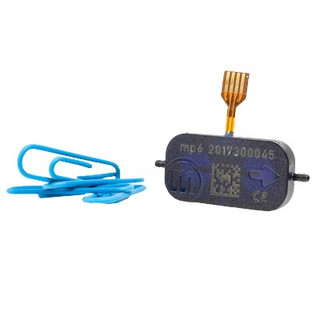

When working with Bartels BP7 micropumps, ensuring chemical compatibility is crucial for maintaining system integrity and performance. PPSU (Polyphenylsulfone) is valued due to its good chemical resistance to diluted acids, alkali solutions, and many organic solvents. It is also widely used for its durability in medical, pharmaceutical, and industrial applications. PPSU exhibits robust resistance against most aqueous solutions and organic chemicals.
However, like all materials, PPSU has its limitations, particularly when exposed to concentrated acids or ketones, which can have a degrading effect over time. Therefore, understanding its chemical compatibility is essential for preventing degradation and ensuring safety. In this guide, we present a comprehensive table of chemical compatibility for PPSU, the body material of BP7 micropumps, obtained by immersing the body in a variety of common reagents for seven days at room temperature. This table, based on chemical compatibility data provided by Bartels Mikrotechnik, is designed to help engineers, technicians, and researchers quickly determine whether BP7 micropumps made of PPSU are suitable for their specific applications, ensuring reliable and long-lasting performance in various chemical environments.
Refer to this table to make informed choices and maintain the efficiency and safety of your system.
💡 The chemical compatibility rating key is as follows:
- E = Excellent chemical compatibility (little to no effect)
- G = Good chemical compatibility (no serious loss of properties)
- F = Fair (moderate effect: some negative effects, some useful properties retained)
- X = Severe effect (not recommended for use; severe attack or rupture)
🚨Concentrations of room temperature liquids are given in % volume. Concentrations of room temperature solids are given in % weight.
🚨 The compatibility ratings provided in these tables are for general guidance only and may not be complete or accurate. They do not address potential contamination or changes in fluid properties due to tubing interaction. We do not guarantee the suitability of any material for specific purposes or the impact of the micropumps on fluid quality. For critical applications, we recommend conducting specific tests or seeking expert advice.
🚨 If your fluid is incompatible with polyphenylsulfone or if you require a different material for your micropump, it is possible to customize the material to meet your specific needs.
PPSU Chemical Compatibility Table for BP7 Micropumps
| Chemical Substance | Concentration (%) | PPSU Chemical Compatibility |
|---|---|---|
| 1,1,1-Trichloroethane | 100 | G |
| Acetic acid - glacial | 100 | G |
| Acetic anhydride | 100 | X |
| Acetone | 100 | X |
| Benzene | 100 | F |
| Brake fluid | 100 | F |
| Butanol | 100 | E |
| Butyl acetate | 100 | E |
| Carbitol solvent | 100 | E |
| Carbon tetrachloride | 100 | E |
| Citric acid | 100 | G |
| Cyclohexane | 100 | E |
| Ethanol | 100 | F |
| Ethyl acetate | 100 | X |
| Ethylene glycol | 100 | G |
| Formaldehyde | 40 | G |
| Formic acid | 10 | G |
| Gasoline | 100 | F |
| Glycerol | 100 | E |
| Hydraulic oil LO-1 | 100 | E |
| Hydrochloric acid | 20 | E |
| Hydrochloric acid | 37 | F |
| Jet fuel JP-4 | 100 | F |
| Kerosene | 100 | E |
| Methanol | 100 | F |
| Motor oil 10W-40 | 100 | G |
| Nitric acid | 20 | G |
| Nitric acid | 71 | X |
| Oleic acid | 100 | E |
| Potassium hydroxide | 10 | G |
| Skydrol® 500B | 100 | X |
| Sodium hydroxide | 10 | G |
| Sulfuric acid | 50 | G |
| Sulfuric acid | 97 | X |
| Toluene | 100 | F |