
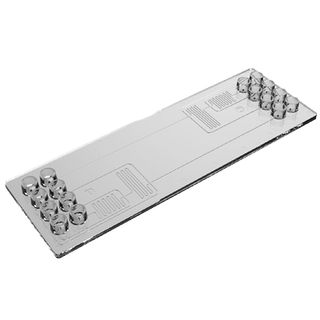
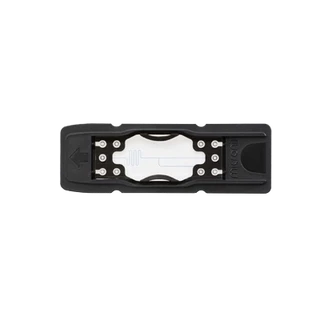
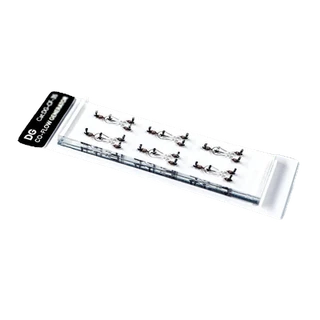
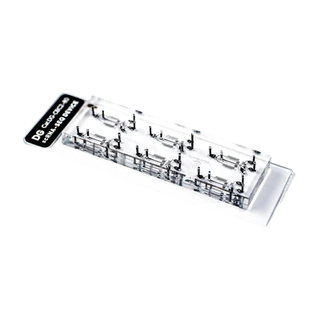
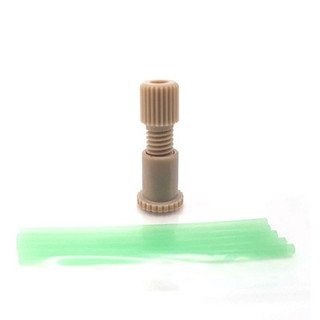
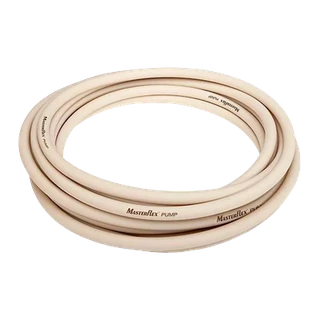
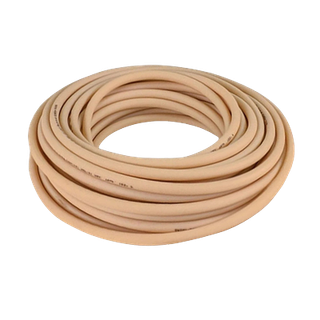
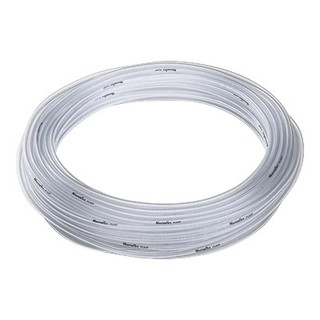
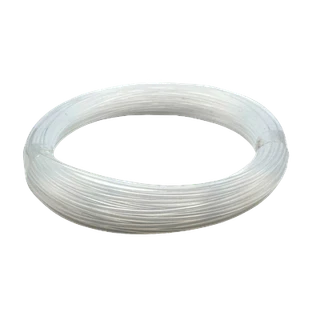
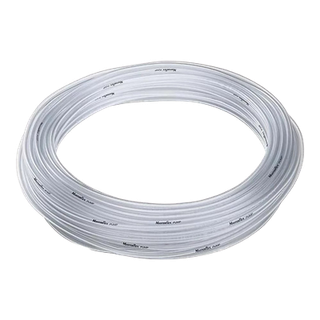
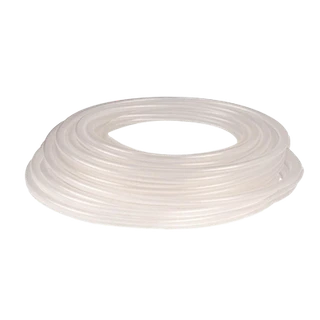
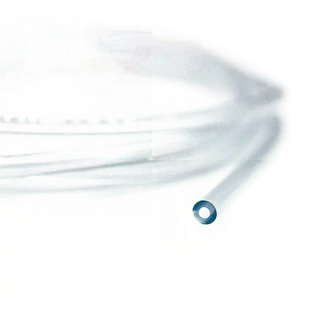
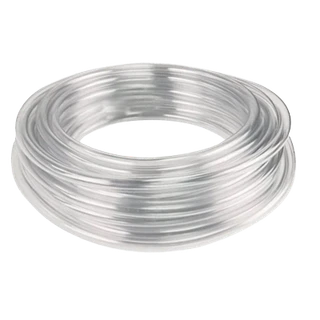
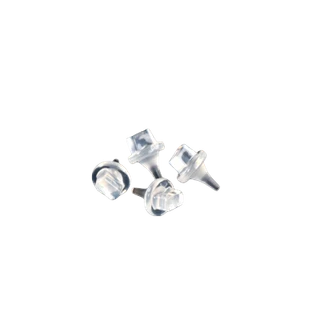
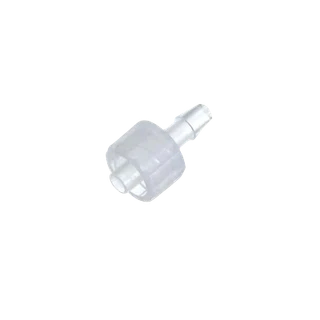
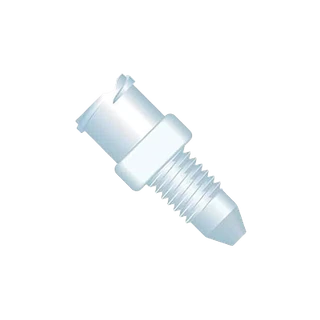
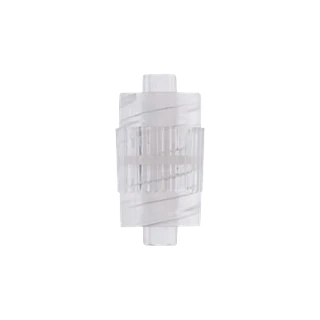
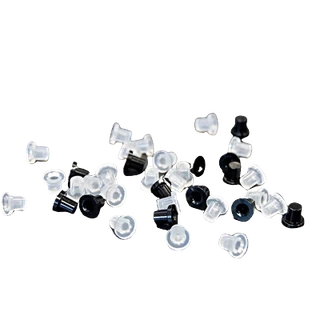
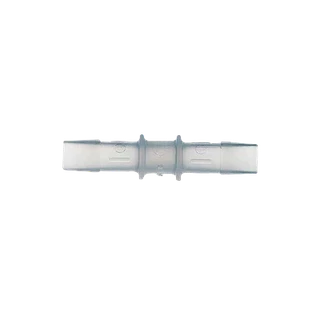
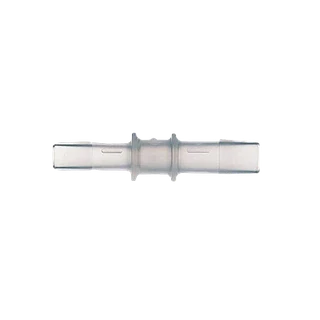
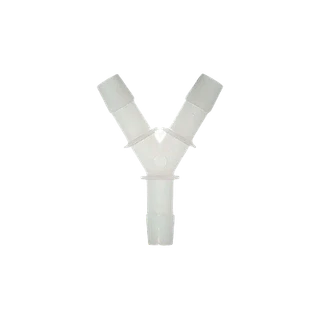

The success of microfluidic experiments, especially in biological and medical research, heavily relies on maintaining sterile, contamination-free conditions. Effective sterilization is crucial to ensure the reliability and reproducibility of results, particularly when working with sensitive microfluidic components such as tubing, fittings, connectors, and microfluidic chips. Choosing the appropriate sterilization technique not only helps preserve the integrity of these materials but also prevents adverse interactions, such as material degradation, warping, or chemical residue, that could compromise experimental accuracy.
In this post, we’ll discuss five widely used sterilization methods—autoclave (steam sterilization), dry heat, ethylene oxide, gamma irradiation, and electron beam sterilization—examining their effectiveness, advantages, and limitations for microfluidic applications. Additionally, a comprehensive sterilization compatibility chart will provide guidance on how these techniques interact with different microfluidic materials, helping you select the most suitable method for each application.
🌫️ Autoclave (Steam Sterilization)
Autoclaving is one of the most widely used and effective sterilization methods, particularly suitable for materials that can withstand high heat and moisture. In microfluidics, it is commonly applied to sterilize glassware, metal components, and certain heat-resistant plastics, including specific types of tubing and connectors.
This method works by using pressurized steam at temperatures typically between 121°C and 134°C, with sterilization cycles often completed within 15 to 30 minutes. The combination of heat and moisture acts to denature proteins, destroy cell membranes, and eliminate all forms of microbial life, including bacteria, viruses, and spores.
However, because of the high temperatures involved, autoclaving is unsuitable for heat-sensitive materials, including microfluidic chips and tubing made from low-melting-point plastics, which may degrade during the process.
🔥 Dry Heat Sterilization
When steam sterilization isn’t feasible due to material limitations, dry heat sterilization offers an effective alternative. This method relies on exposing items to high temperatures, typically between 160°C and 170°C, without moisture. By using high temperatures over an extended period, dry heat sterilization effectively destroys microorganisms by denaturing proteins and other essential microbial structures.
This moisture-free process makes it suitable for sterilizing materials that could be compromised by steam. However, dry heat requires longer exposure times, typically one to two hours, and can degrade some plastics used in microfluidics. While not ideal for microfluidic chips or certain tubing, it remains reliable for sterilizing metal fittings and connectors.
🧪 Ethylene Oxide (EtO) Sterilization
Ethylene oxide (EtO) is a gas-based sterilization technique commonly used for heat-sensitive materials, making it particularly valuable in the microfluidics industry where components like plastic tubing, chips, and connectors cannot withstand high temperatures or moisture.
This method works by exposing equipment to ethylene oxide gas within a controlled environment, where the gas penetrates materials and interacts with microbial DNA, preventing replication and effectively eliminating microorganisms. It provides thorough sterilization without risking thermal degradation.
However, because ethylene oxide is toxic, the process requires careful handling with proper ventilation and a post-sterilization aeration period to remove residual gas. Additionally, it is slower than other methods, typically requiring several hours to complete.
☢️ Gamma Irradiation
Gamma irradiation is a highly effective sterilization method that employs high-energy gamma rays to eliminate microorganisms by disrupting their DNA. This technique is especially useful for sterilizing single-use medical devices and other items that need to maintain sterility post-packaging. Gamma radiation, typically emitted from sources like Cobalt-60, penetrates materials, leading to ionization and the formation of free radicals that damage microbial DNA and cellular structures, rendering them nonviable.
A key advantage of gamma irradiation is its ability to sterilize packaged items without requiring direct contact or heat. However, the process necessitates specialized equipment and facilities, which can be costly, and some plastics may experience material degradation over time, especially at higher radiation doses.
⚡ Electron Beam (E-Beam) Sterilization
Electron beam (or e-beam) sterilization, uses high-energy electron beams to sterilize materials. Unlike gamma irradiation, which uses gamma rays, e-beam sterilization employs a focused beam of electrons. In this process, the material is bombarded with high-energy electrons, which interact with the DNA of microorganisms, causing ionization and the formation of free radicals that disrupt microbial cellular functions.
E-beam sterilization is faster than gamma irradiation because it has a higher dose rate, resulting in shorter exposure times. It is also effective for sterilizing a wide range of materials, including plastics, and metals, offering efficient sterilization without direct contact.
However, e-beam sterilization has lower penetration power compared to gamma rays, meaning that thicker materials may require more exposure time or additional processing. While generally safe, e-beam sterilization requires specialized equipment and facilities.
📊 Sterilization Compatibility Chart for Microfluidic Materials
To assist engineers and researchers in selecting the most suitable sterilization technique for various materials used in microfluidic systems, the following comprehensive chart provides compatibility ratings. This table draws upon data from different sources including Qosina, Idex, and Industrial Specialties Mfg. to evaluate how different materials respond to the five above-detailed sterilization techniques: autoclave (steam sterilization), dry heat, ethylene oxide (EtO), gamma irradiation, and electron beam.
Refer to this table to make informed choices and maintain contamination-free experiments.
💡 The sterilization compatibility rating key is as follows:
- Good = Little to No Effect
- Fair = Slight to Moderate Effect
- Poor = Moderate to Severe Effect (Not Recommended)
🚨 This chart is intended for informational purposes only and should not be considered as a guarantee of material performance in sterilization or other uses. Users are responsible for evaluating the appropriateness of materials and processes for their specific applications, taking into account both technical and legal considerations.
| Material | Autoclave | Dry Heat | Ethylene Oxide (EtO) | Gamma Irradiation | Electron Beam |
|---|---|---|---|---|---|
| Aluminum | Good | Good | Poor | Good | N/A |
| Cyclo Olefin Copolymer (COC) | Fair | Fair | Good | Good | Good |
| Cyclo Olefin Polymer (COP) | Fair | Fair | Good | Good | Good |
| Ethylene Chlorotrifluoroethylene (ECTFE) | Good | Good | Good | Good | Good |
| Ethylene Propylene Diene Monomer (EPDM) | Good | Good | Good | Good | Good |
| Ethylene Tetrafluoroethylene (Tefzel - ETFE) | Good | Good | Good | Good | Good |
| Fluorinated Ethylene Propylene (FEP) | Good | Good | Good | Fair | Fair |
| High Density Polyethylene (HDPE) | Poor | Poor | Good | Good | Good |
| High Density Polypropylene (HDPP) | Good | Poor | N/A | Good | N/A |
| High Heat Polycarbonate (PC) | Good | Good | Good | Good | Good |
| Linear Low Density Polyethylene (LLDP) | Poor | Poor | Good | Good | Good |
| Low Density Polyethylene (LDPE) | Poor | Poor | Good | Good | Good |
| Neoprene | Good | Good | Poor | Good | N/A |
| Olefinic Thermoplastic Elastomer (TPO) | Poor | Fair | Good | Good | Good |
| Perfluoro Alkoxy (PFA) | Good | Good | Good | Good | Good |
| Perfluoroelastomer (FFKM) | Good | Good | Good | Good | Good |
| Polyamide (Nylon) | Fair | Fair | Good | Fair | Fair |
| Polyamide Thermoplastic Elastomer (TPA) | Poor | Poor | Good | Good | Good |
| Polycarbonate (PC) | Fair | Fair | Good | Good | Good |
| Polychlorotrifluoroethylene (PCTFE) | Good | Good | Good | Good | Fair |
| Polydimethyl Siloxane (PDMS) | Good | Good | Good | Good | Good |
| Polyetheretherketone (PEEK) | Good | Good | Good | Good | Good |
| Polyethylene (PE) | Poor | Poor | Good | Good | Good |
| Polymethyl Methacrylate (PMMA) | Poor | Poor | Good | Good | Good |
| Polyoxymethylene (Delrin) | Good | Good | Good | Poor | Poor |
| Polyphenylene Sulfide (PPS) | Good | Good | Good | Good | Good |
| Polyphenylsulfone (PPSU) | Good | Good | Good | Good | Good |
| Polypropylene (PP) | Fair | Fair | Good | Fair | Fair |
| Polystyrene (PS) | Poor | Poor | Good | Good | Good |
| Polysulfone (PSU) | Good | Good | Good | Good | Good |
| Polytetrafluoroethylene (PTFE) | Fair | Fair | Good | Poor | Poor |
| Polyurethane (PU) | Poor | Poor | Good | Good | Good |
| Polyvinyl Chloride (PVC) | Fair | Fair | Good | Good | Good |
| Polyvinyl Chloride (Unplasticized - PVC) | Poor | Poor | Good | Fair | Fair |
| Polyvinyl Fluoride (PVF) | Good | Good | Good | Good | Good |
| Silicone | Good | Good | Good | Good | Good |
| Stainless Steel 316 | Good | Good | Good | Good | Good |
| Thermoplastic Polyolefin (TPO) | Poor | Fair | Good | Good | Good |
| Thermoplastic Polyurethane (TPU) | Poor | Fair | Good | Good | Good |
| Topas | Fair | Fair | Good | Good | Good |
| Ultrahigh Molecular Weight Polyethylene (UHMWPE) | Poor | Poor | Good | Good | Good |
| Zeonex | Fair | Fair | Good | Good | Good |
| Zeonor | Fair | Fair | Good | Good | Good |
💡 Conclusion
In microfluidics, selecting the right sterilization method is key to ensuring contamination-free experiments and preserving component integrity. Each method offers unique advantages: autoclaving suits heat-resistant materials, dry heat works for steam-sensitive items, and ethylene oxide excels with delicate plastics and electronics. Gamma irradiation and electron beam sterilization are ideal for pre-packaged components, with the former offering deep penetration and the latter delivering rapid results. By aligning sterilization techniques with material compatibility, researchers can achieve reliable sterility while maintaining the performance of microfluidic devices.
Stay tuned for more content exploring cutting-edge sterilization techniques and their evolving impact on microfluidic innovation 🔬. Until then, sterilization is key, to keep your work debris-free! 🧼✨
📧 If you have any questions or feedback, please feel free to contact us at contact@darwin-microfluidics.com.