









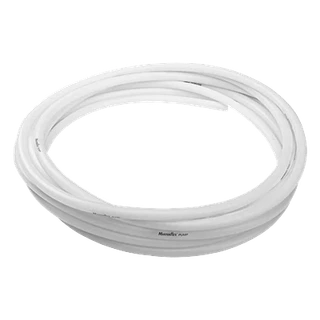
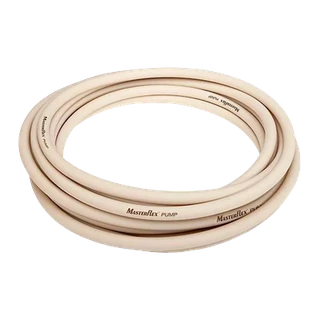
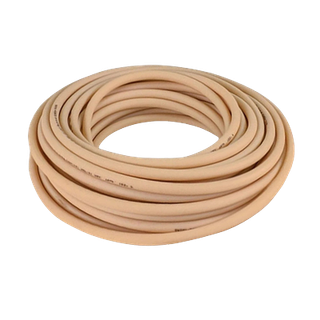
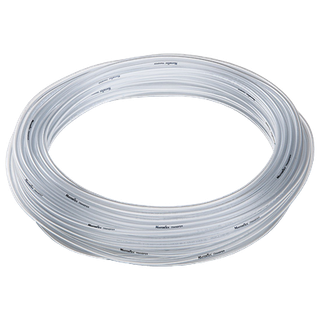
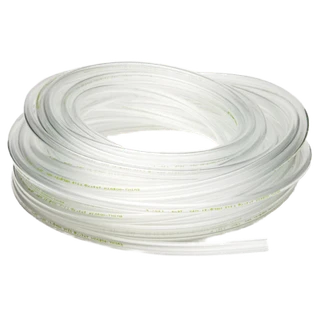
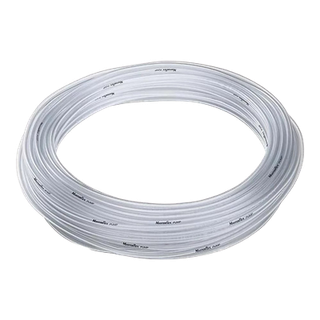
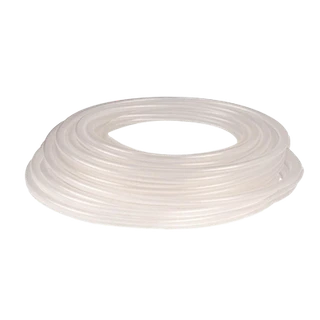
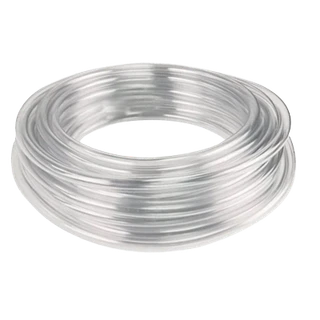
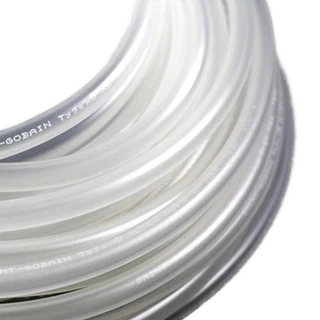

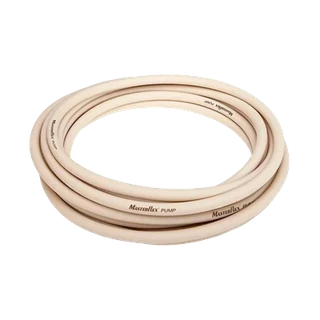


When selecting tubing for microfluidic applications, ensuring chemical compatibility is crucial for maintaining system integrity and performance. Chem-Durance® Bio tubing is an excellent choice for advanced pumping systems, offering exceptional chemical resistance, impressive durability under pressure, and long operational life. Designed for biocompatibility and low spallation, Chem-Durance® Bio ensures reliable performance in demanding pharmaceutical and biotech applications.
However, like all materials, Chem-Durance® Bio has its limitations, and not every chemical is compatible with it. Therefore, understanding compatibility is essential for preventing tubing degradation and ensuring safety. In this guide, we present a comprehensive table of chemical compatibility for Chem-Durance® Bio tubing. This table, based on the chemical compatibility data (at 21°C) provided by Masterflex®, is designed to help engineers, technicians, and researchers quickly determine whether Chem-Durance® Bio tubing is suitable for their specific applications.
Refer to this table to make informed choices and maintain the efficiency and safety of your system.
💡 The chemical compatibility rating key is as follows:
- A = Excellent chemical compatibility (no effect)
- B = Good chemical compatibility (minor effect: slight corrosion or discoloration)
- C = Fair (moderate effect: not recommended for continuous use; softening, loss of strength, swelling and/or shrinkage)
- D = Severe effect (not recommended for use; severe softening, swelling and/or shrinkage)
- N/A = No data available
🚨 The compatibility ratings provided in these tables are for general guidance only and may not be complete or accurate. They do not address potential contamination or changes in fluid properties due to tubing interaction. We do not guarantee the suitability of any material for specific purposes or the impact of tubing on fluid quality. For critical applications, conduct specific tests or seek expert advice.
Chem-Durance® Bio Tubing: Chemical Compatibility Table
| Chemical Substance | Compatibility |
|---|---|
| A | |
| Acetaldehyde | C |
| Acetate LMW | D |
| Acetic acid | A |
| Acetic acid >5% | A |
| Acetic anhydride | A |
| Acetone | B |
| Acetonitrile | B |
| Acetyl bromide | D |
| Acetyl chloride | D |
| Air | A |
| Aliphatic hydrocarbons | D |
| Aluminum chloride | A |
| Aluminum sulfate | A |
| Alums | A |
| Ammonia, gas / liquid | B |
| Ammonium acetate | A |
| Ammonium carbonate | A |
| Ammonium chloride | A |
| Ammonium hydroxide | A |
| Ammonium nitrate | A |
| Ammonium phosphate | A |
| Ammonium sulfate | A |
| Amyl acetate | D |
| Amyl alcohol | A |
| Amyl chloride | D |
| Aniline | D |
| Aniline hydrochloride | D |
| Aqua regia (80% HCl, 20% H) | A |
| Aromatic hydrocarbons | D |
| Arsenic salts | A |
| B | |
| Barium salts | A |
| Benzaldehyde | C |
| Benzenesulfonic acid | D |
| Bleaching liquors | A |
| Boric acid | A |
| Bromine | D |
| Butane | B |
| Butanol (butyl alcohol) | A |
| Butyl acetate | D |
| Butyric acid | D |
| C | |
| Calcium oxide | A |
| Calcium salts | A |
| Carbon bisulfide | D |
| Carbon dioxide | A |
| Carbon tetrachloride | D |
| Chlorine, dry | C |
| Chlorine, wet | C |
| Chloroacetic acid | A |
| Chlorobenzene | D |
| Chlorobromomethane | D |
| Chloroform | D |
| Chlorosulfonic acid | D |
| Chromic acid, 30% | B |
| Chromium salts | A |
| Copper salts | A |
| Cresol | A |
| Cyclohexane | D |
| Cyclohexanone | C |
| D | |
| Diacetone alcohol | A |
| Dimethyl formamide | A |
| Dimethyl Sulfoxide (DMSO) | N/A |
| E | |
| Essential oils | D |
| Ethanol (ethyl alcohol) | A |
| Ether | D |
| Ethyl acetate | D |
| Ethyl bromide | D |
| Ethyl chloride | D |
| Ethylamine | B |
| Ethylene chlorohydrin | A |
| Ethylene dichloride | D |
| Ethylene glycol | A |
| Ethylene oxide | A |
| F | |
| Fatty acids | C |
| Ferric chloride | A |
| Ferric sulfate | A |
| Ferrous chloride | A |
| Ferrous sulfate | A |
| Fluoboric acid | A |
| Fluoroborate salts | A |
| Fluosilicic acid | A |
| Formaldehyde | C |
| Formic acid, 25% | A |
| Freon® TMS | A |
| G | |
| Gasoline, high-aromatic | D |
| Gasoline, nonaromatic | D |
| Glucose | A |
| Glue, P.V.A. | A |
| Glycerin | A |
| H | |
| Hydriodic acid | A |
| Hydrobromic acid, 30% | A |
| Hydrochloric acid (dil) | A |
| Hydrochloric acid (med) | A |
| Hydrochloric acid (conc) | A |
| Hydrocyanic acid | A |
| Hydrocyanic acid, gas, 10% | A |
| Hydrofluoric acid, 50% | A |
| Hydrofluoric acid, 75% | C |
| Hydrogen peroxide (dil) | A |
| Hydrogen peroxide, 90% | B |
| Hypochlorous acid | A |
| I | |
| Iodine solutions | A |
| Iodoform | D |
| K | |
| Kerosene | D |
| Ketones | C |
| L | |
| Lacquer solvents | D |
| Lactic acid, 3–10% | A |
| Lead acetate | A |
| Linseed oil | B |
| Lithium hydroxide | B |
| M | |
| Magnesium chloride | A |
| Magnesium sulfate | A |
| Malic acid | A |
| Manganese salts | A |
| Mercury salts | A |
| Methane | A |
| Methanol (methyl alcohol) | A |
| Methyl chloride | D |
| Methyl ethyl ketone (MEK) | C |
| Mixed acid (40% H2SO4, 15% HNO3) | A |
| Molybdenum disulfide | A |
| Monoethanolamine | D |
| N | |
| Naphtha | D |
| Natural gas | A |
| Nickel salts | A |
| Nitric acid (dil) | A |
| Nitric acid (med) | A |
| Nitric acid (conc) | A |
| Nitrobenzene | D |
| Nitrogen oxides | A |
| Nitrous acid | A |
| O | |
| Oils, animal | B |
| Oils, mineral | D |
| Oils, vegetable | B |
| Oleic acid | C |
| Oxalic acid, cold | A |
| Oxygen, gas | A |
| P | |
| Palmitic acid, 100% in ether | C |
| Perchloric acid | A |
| Perchloroethylene | D |
| Phenol (carbolic acid) | A |
| Phosphoric acid, 50% | A |
| Phthalic acid | A |
| Plating solutions | A |
| Polyglycol | B |
| Potassium carbonate | A |
| Potassium chlorate | A |
| Potassium hydroxide (med) | A |
| Potassium hydroxide (conc) | A |
| Potassium iodide | A |
| Propanol (propyl alcohol) | A |
| Pyridine | C |
| S | |
| Silicone fluids | A |
| Silicone oils | A |
| Silver nitrate | A |
| Soap solutions | A |
| Sodium bicarbonate | A |
| Sodium bisulfate | A |
| Sodium bisulfite | A |
| Sodium borate | A |
| Sodium carbonate | A |
| Sodium chlorate | A |
| Sodium chloride | A |
| Sodium ferrocyanide | A |
| Sodium hydrosulfite | A |
| Sodium hydroxide (dil) | A |
| Sodium hydroxide, 25% | A |
| Sodium hydroxide (conc) | A |
| Sodium hypochlorite, | A |
| Sodium hypochlorite, >5% | A |
| Sodium nitrate | A |
| Sodium silicate | A |
| Sodium sulfide | A |
| Sodium sulfite | A |
| Steam, up to 40 psi | D |
| Stearic acid | C |
| Styrene | D |
| Sulfuric acid (dil) | A |
| Sulfuric acid (med) | A |
| Sulfuric acid (conc) | A |
| Sulfurous acid | A |
| T | |
| Tannic acid | A |
| Tanning liquors | A |
| Tartaric acid | A |
| Tin salts | A |
| Toluene (toluol) | D |
| Trichloroacetic acid | A |
| Trichloroethylene | D |
| Trisodium phosphate | A |
| Turpentine | D |
| U | |
| Urea | A |
| Uric acid | A |
| W | |
| Water, fresh | A |
| Water, salt | A |
| X | |
| Xylene | D |
| Z | |
| Zinc chloride | A |