


Tygon Tubing Hardness Table

Colin Marquet

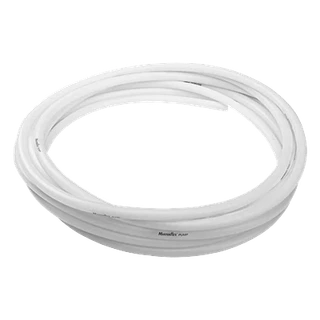
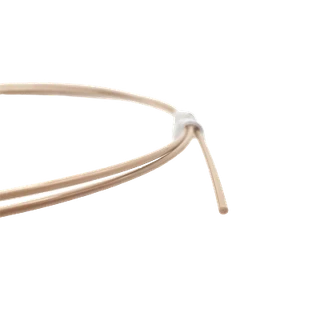
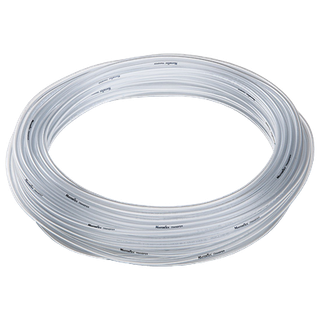
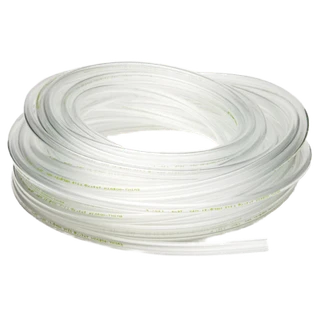
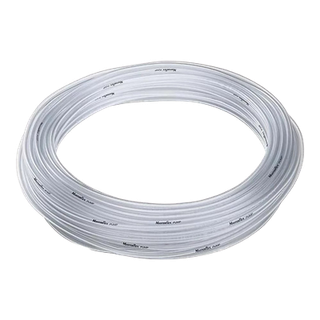
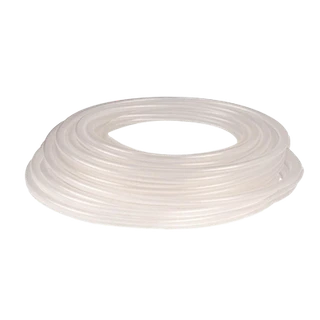
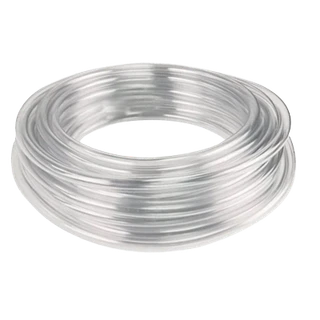
Tygon tubing is a go-to choice in microfluidics and laboratory applications, valued for its high quality, versatility, and diverse range of formulations. Whether you’re designing a system for peristaltic pumping, handling corrosive chemicals, or working within the strict standards of biopharmaceuticals, Tygon offers a specialized tubing solution for almost any requirement. Each formulation is designed for specific needs, making it critical to select the right one for your setup.

One key factor to consider when choosing the ideal Tygon tubing is hardness, which influences the tubing’s durability, flexibility, and resistance properties. To help guide your decision, we’ve compiled a hardness table of the most common Tygon formulations below, which includes benchmarks for comparison.

💡 For reference, silicone tubing generally has a hardness of about 54, offering a soft and highly flexible option, while PTFE tubing has a hardness around 95, providing maximum resistance for demanding applications. Understanding these differences can help you select the most compatible tubing for your system.

Take a look at the table below to see how different Tygon options stack up in terms of hardness, and find the best fit for your specific needs.

FormulationHardness Shore A, 15s
Tygon LMT-5555
Tygon E-LFL56
Tygon E-3603 (E-Lab)56
Tygon R-360356
Tygon XL-6060
Tygon A-60-F61
Tygon A-60-G61
PharMed BPT64
Tygon B-44-4X66
Viton70
Tygon 237575
Tygon ND 100-8080
Not sure what fits your experiment?Tell us your flow rates, fluids and setup: our team will recommend the right combination.
Ask our team

In this guide
